

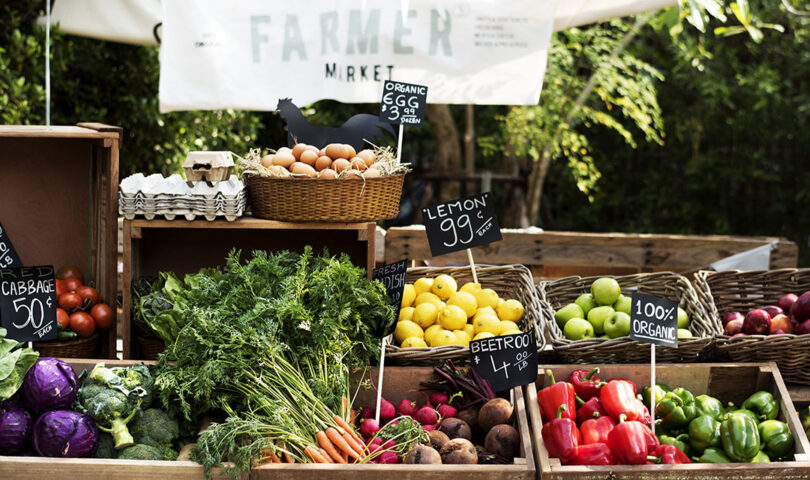
In today’s world almost everything can be made available with the click of a button, and it can become all too easy to forget where we get our food from. Large supermarket chains currently dominate the food market due to their convenience, diversity, and generally competitive prices. However, opting to choose locally sourced food when available can have benefits that can reach beyond the numbers on your shopping receipt. Buying from local markets, farmers, and other local food producers can have a positive effect on the environment while also contributing to the local economy and help bring communities closer together.
Arguably one of the most prominent benefits of shopping locally is the potential impact on the environment. Food that is bought from local sources usually has significantly less distance to travel before it reaches the consumer. These shorter transportation routes usually indicate fewer emissions related to shipping food over long distances. Local producers are also more likely to utilize farming practices that are better suited to the environment which can have a huge impact on long-term sustainability and positively affect future growing seasons. It is important to note that local does not always mean that production will have a smaller environmental footprint. However, being able to know where your food comes from makes it much easier for consumers to identify how it was grown, how it was raised, and where it came from.
Purchasing food that has been locally sourced can also influence how much money stays in the community. When people buy directly from a local market or farmer, much more of their transaction will stay within the local economy. This can help local producers use their earnings to get better equipment, improve production, and promote more sustainable agriculture. Consumers can get a sense of pride knowing that local grocery purchases can contribute to a larger cycle of economic activity.
Along with the economic advantages there are also a variety of social benefits as well. Producing locally grown food can create more opportunities for buyers to develop a more prominent connection with the local producers. Local food events, farmers markets and roadside stands can better connect communities in ways that a stroll through a supermarket often cannot. It is these types of interactions that help build positive relationships while also giving people a better understanding of just what it takes to produce the food they consume.
Now this does not mean that everyone should stop shopping at large supermarkets. Often these large stores can provide convenience as well as necessary affordability. Alternatively, purchasing locally produced food can be viewed as a more sustainable option when circumstances allow. It may not seem like a few bucks spent at your local farmers’ market or roadside stand would have much effect, but collectively these decisions can have a significant impact within local communities.
In the end, buying local is much more than just putting good food on the plate. It is also a direct reflection of how consumers would like their spending to impact local communities. Supporting local food producers gives consumers an opportunity to make their grocery choices part of something larger than a simple transaction.

- 5 questions for John James and Jocelyn Benson as they vie for governor - October 15, 2026
- DNR educators honored with top statewide environmental education awards - October 15, 2026
- Michigan DNR to track fish stocking using 23andMe-style gene testing - October 15, 2026