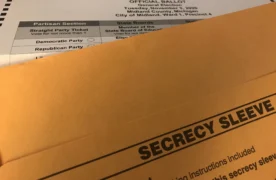


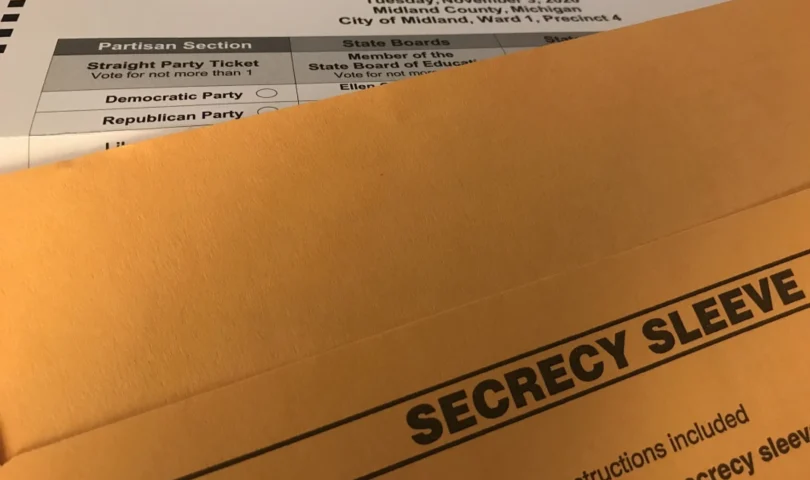
Next month, absentee ballots are scheduled to go out to Michigan voters ahead of the November election.
But there’s a legal fight over the mail-in vote process.
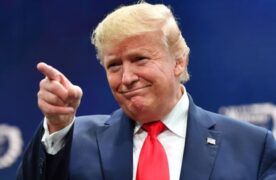
Back in March, President Donald Trump issued an executive order to establish a national list of eligible voters and directing the U.S. Postal Service to transmit mail ballots only to voters on the list.
This week, Michigan and more than 20 other states, along with the District of Columbia filed suit to block a Postal Service plan to implement the order.
Michigan Attorney General Dana Nessel accuses the president of trying to usurp the electoral process because he is afraid of the outcome of November’s mid-term election.

“This USPS rule is another outrageous attempt to sow chaos, suppress turnout just weeks before the election, and disenfranchise many Michiganders who vote by mail,” said Nessel in a written statement.
Michigan is seen as pivotal to Democrats’ hopes of taking back control of Congress in November.
The U.S. Supreme Court has already sided with the president in a previous lawsuit over the federal government’s reach into mail-in ballot operations.
The decision earlier this week left room for additional court challenges that could further slow Trump’s order, and other similar cases have already been filed.
Late on Thursday, a federal judge issued a stay in response to the suit filed by Michigan and other states, halting — at least for now — attempts to implement the executive order limiting mail voting.
The move stalled the directive for a second time only about a week before the first mail ballots are due to be sent out for the rapidly approaching midterm elections. U.S. District Court Judge Indira Talwani blocked the government from implementing the order for two weeks.
The White House did not immediately respond to a message seeking comment. A hearing in the case is set for Sept. 3.
The case could soon be appealed back to the Supreme Court, which did not decide the legality of Trump’s order in the case earlier this week, instead ruling that states who sued did not have the legal right to challenge it.
The three liberal-leaning justices publicly dissented, with Justice Ketanji Brown Jackson writing that the rule “lets another shoe drop in the Kafkaesque nightmare that our precedents have been steadily creating for certain plaintiffs who seek to bring election-related challenges.”